F40, Porsche 959, and McLaren F1: technical comparison of three icons
Three diametrically opposed philosophies: Ferrari’s analog purity, Porsche’s futuristic electronics, and McLaren’s uncompromising pursuit of perfection. Numbers and differences.
© 2026 created by Identitors & Creative business

"the latest news"

Three diametrically opposed philosophies: Ferrari’s analog purity, Porsche’s futuristic electronics, and McLaren’s uncompromising pursuit of perfection. Numbers and differences.

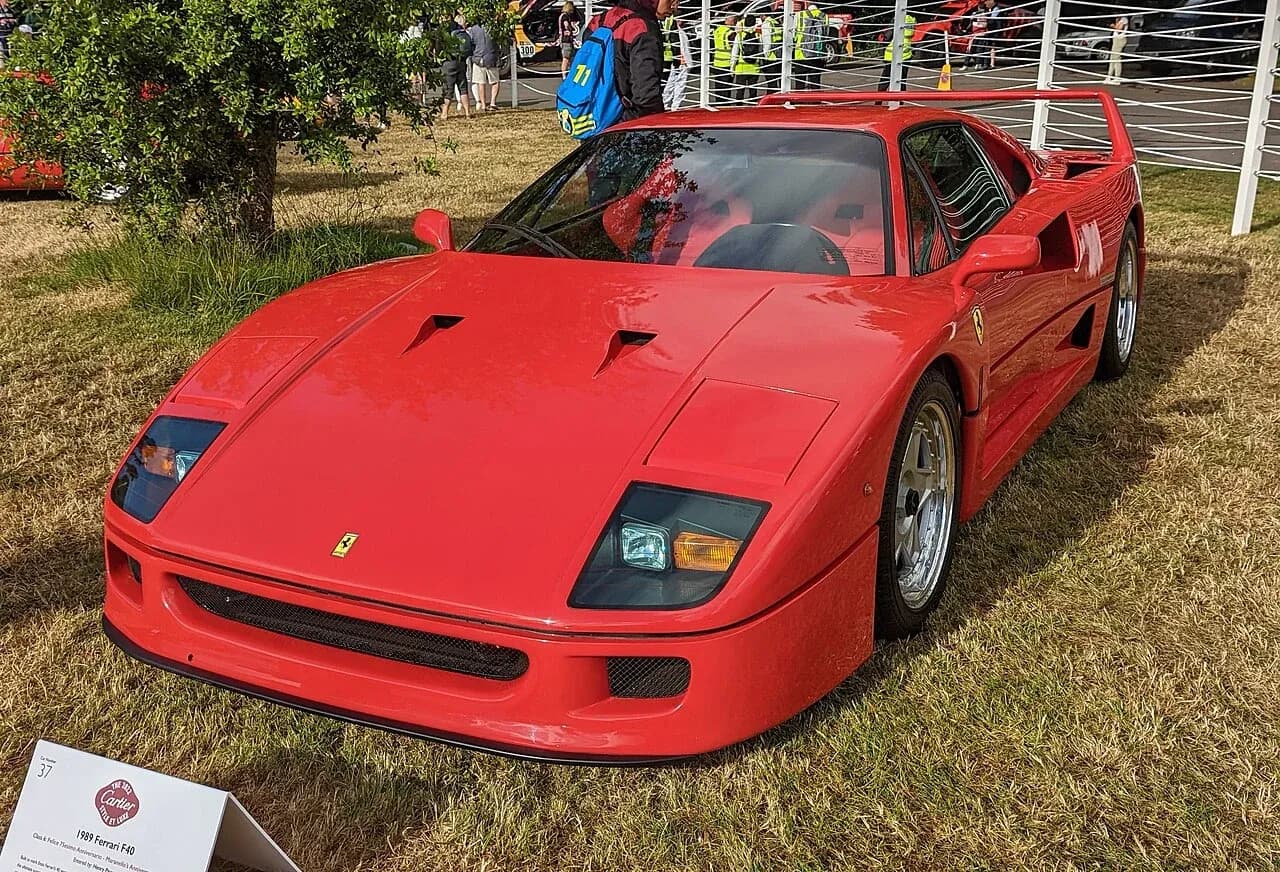
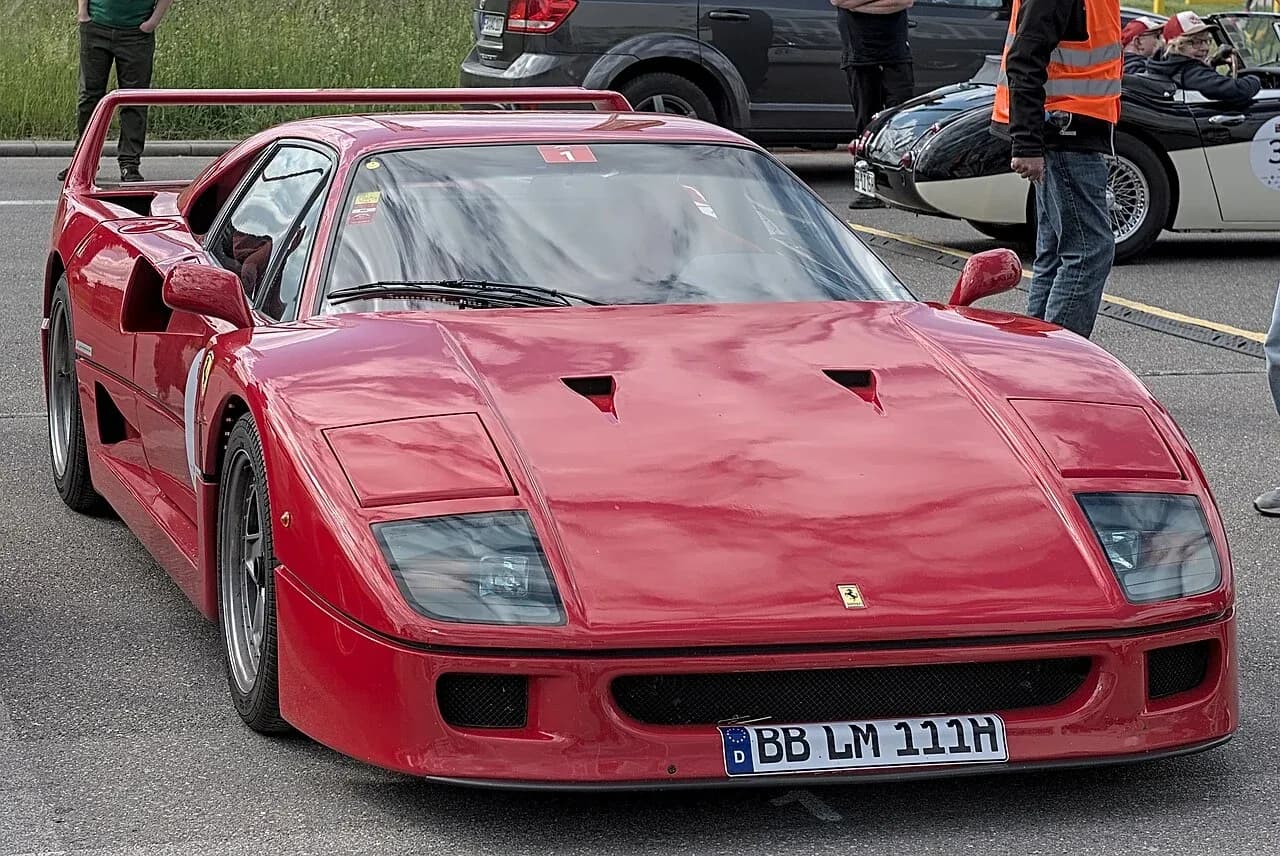
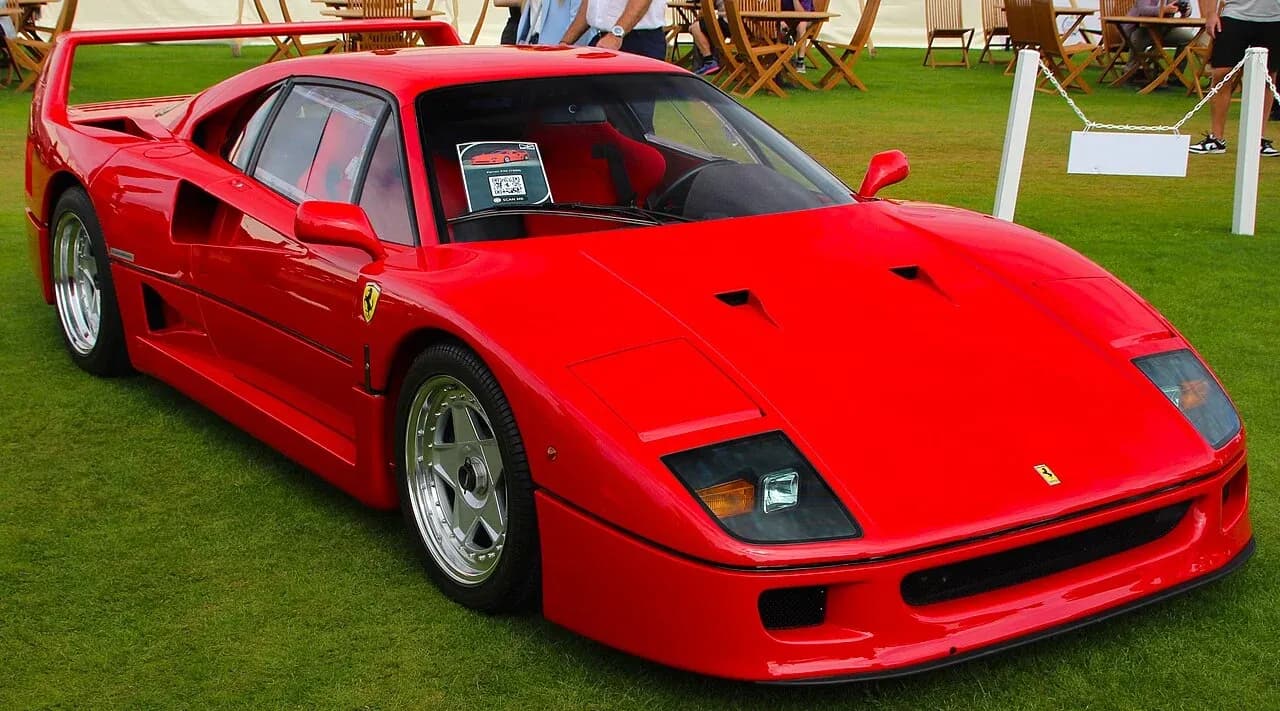
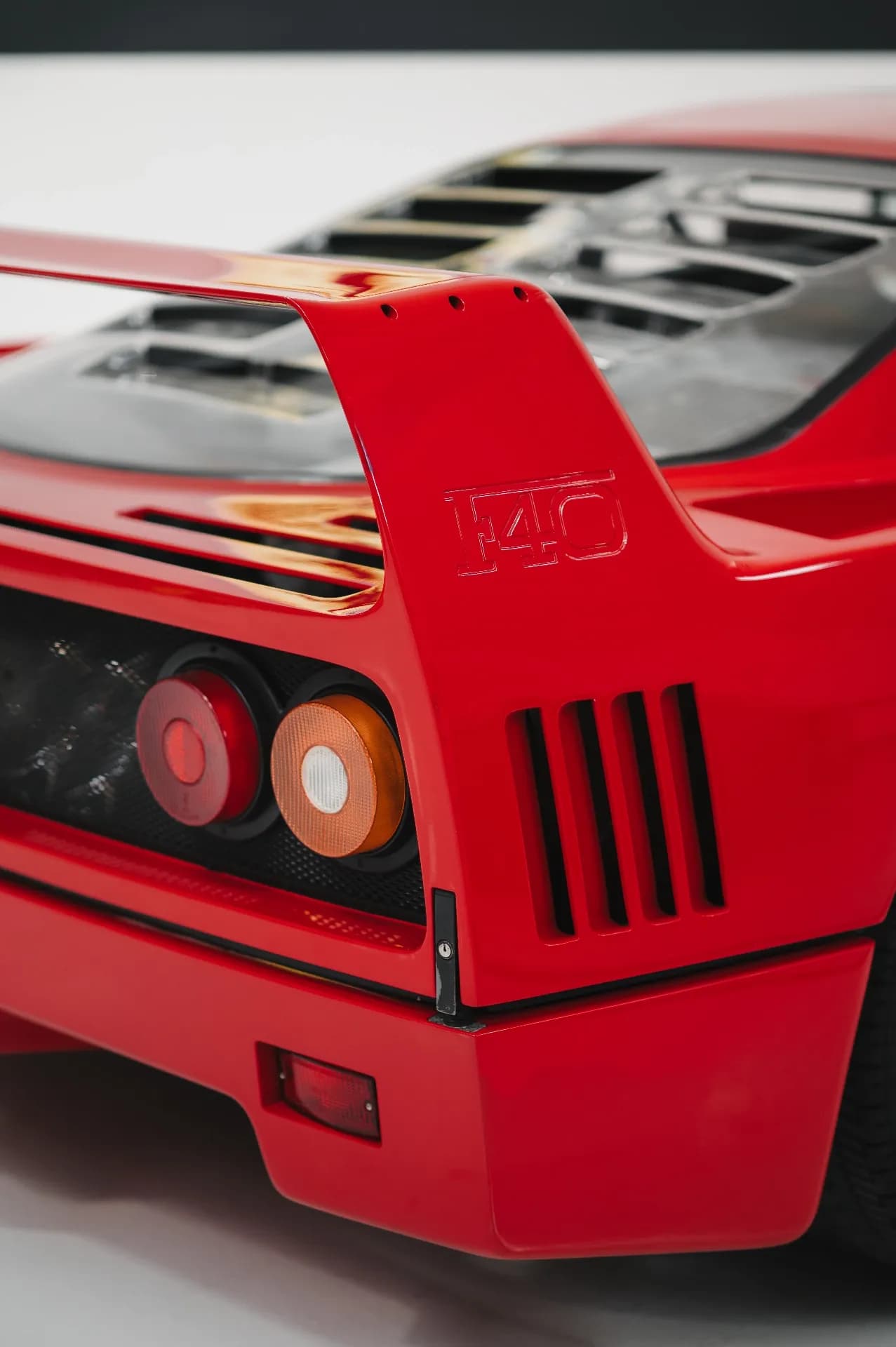
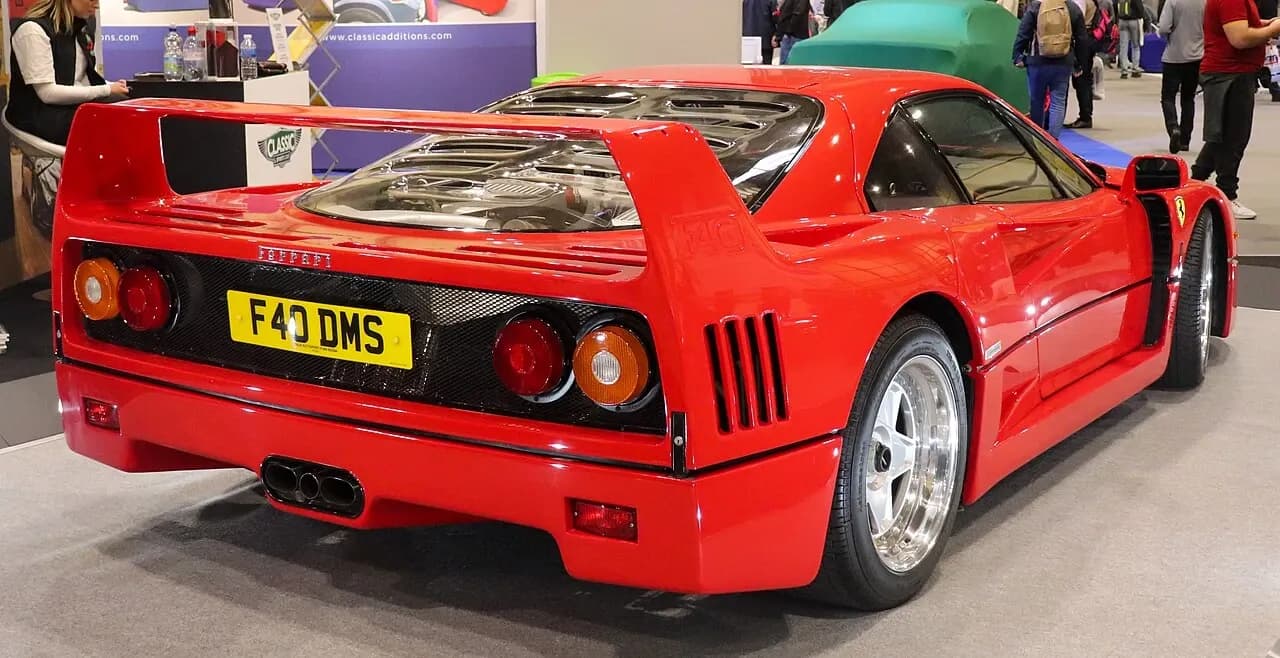
Pininfarina developed the bodywork in the Grugliasco wind tunnel, achieving 320 kg of aerodynamic downforce at 200 km/h thanks to a flat floor, diffuser, and structural wing.

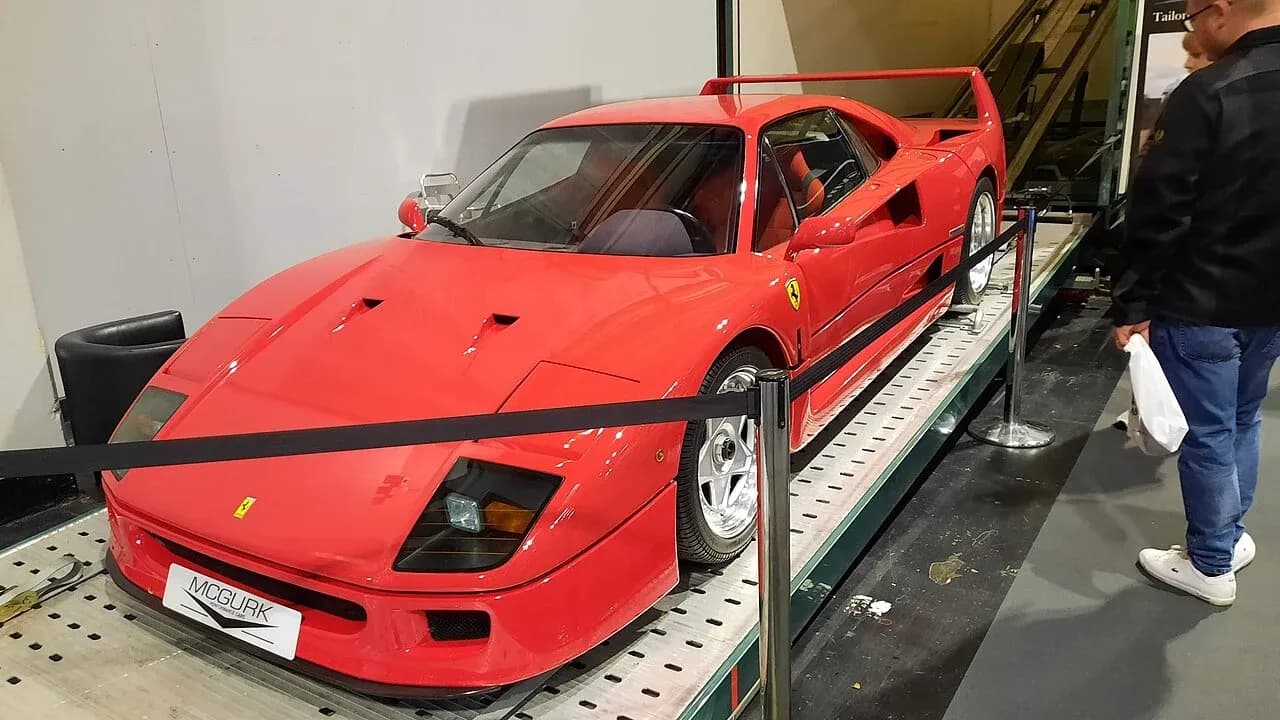
From 390 million lire in 1987 to over €2 million for the finest examples. Hagerty, Bring a Trailer, RM Sotheby’s: here is how today’s F40 market is interpreted.

Rubber fuel tanks, clutch, electrical system, and turbocharging system are the four critical areas every F40 owner must monitor. A technical guide.

Between 1989 and 1994, Michelotto Automobili built 19 competition examples across the LM, GT, and GTE versions: more than 700 hp, a reinforced chassis, and glory at Le Mans, IMSA, and BPR.

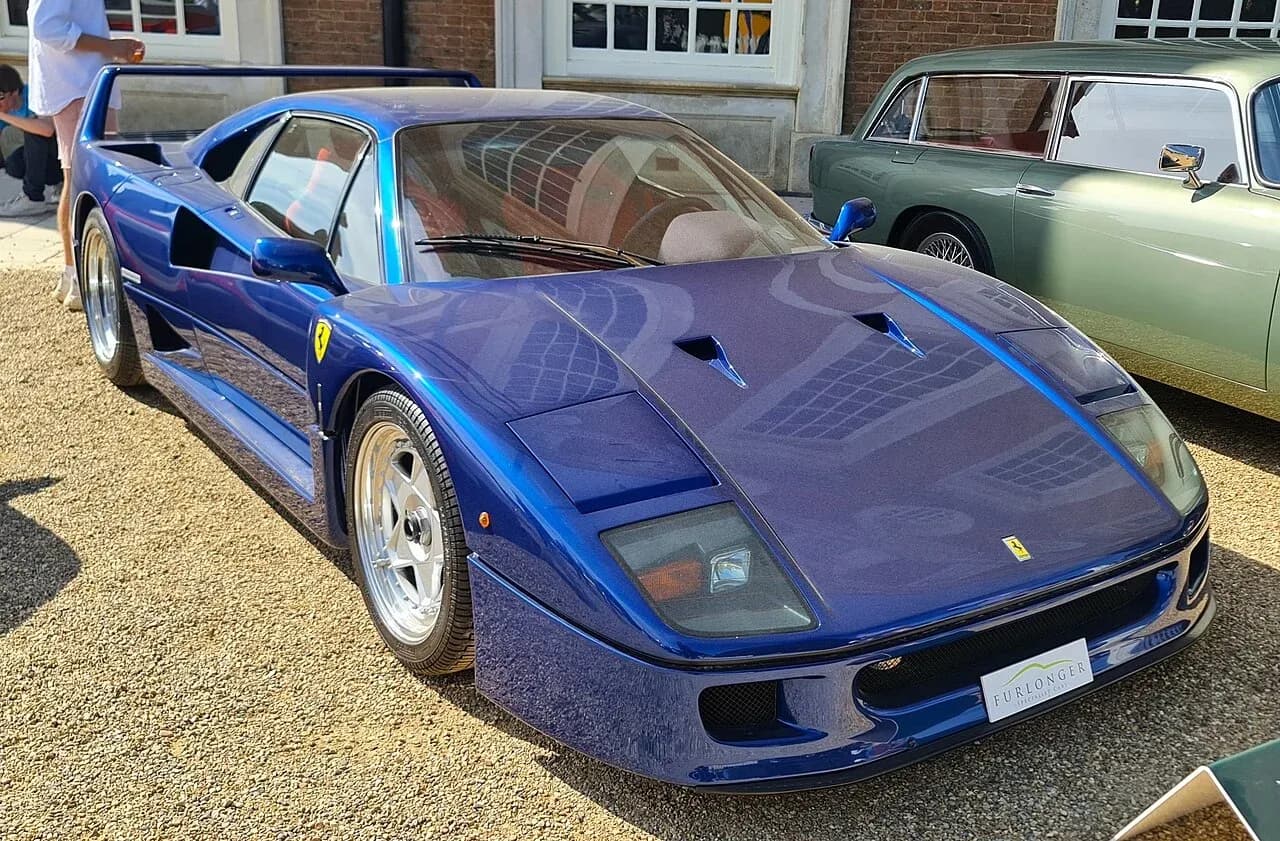
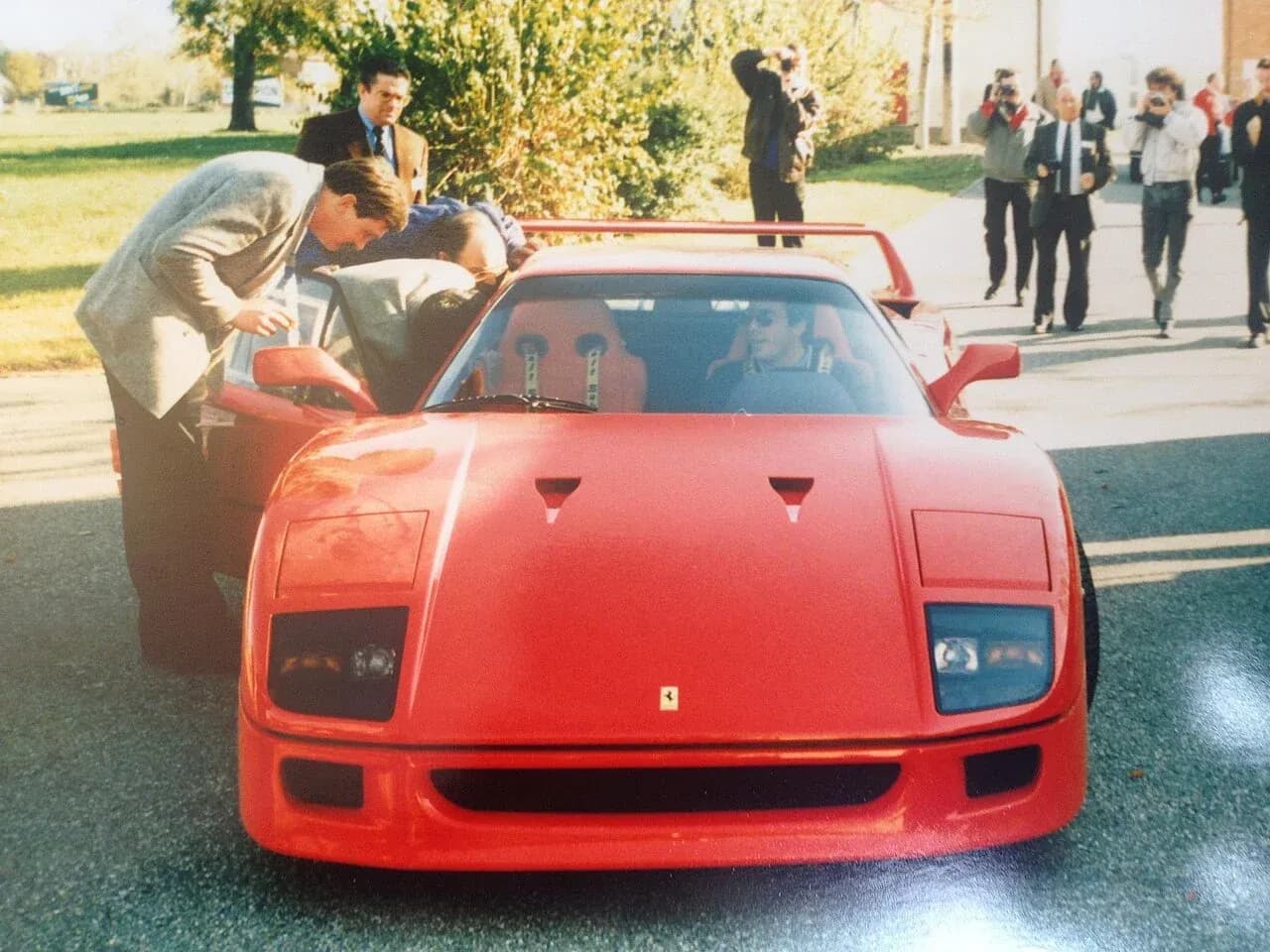
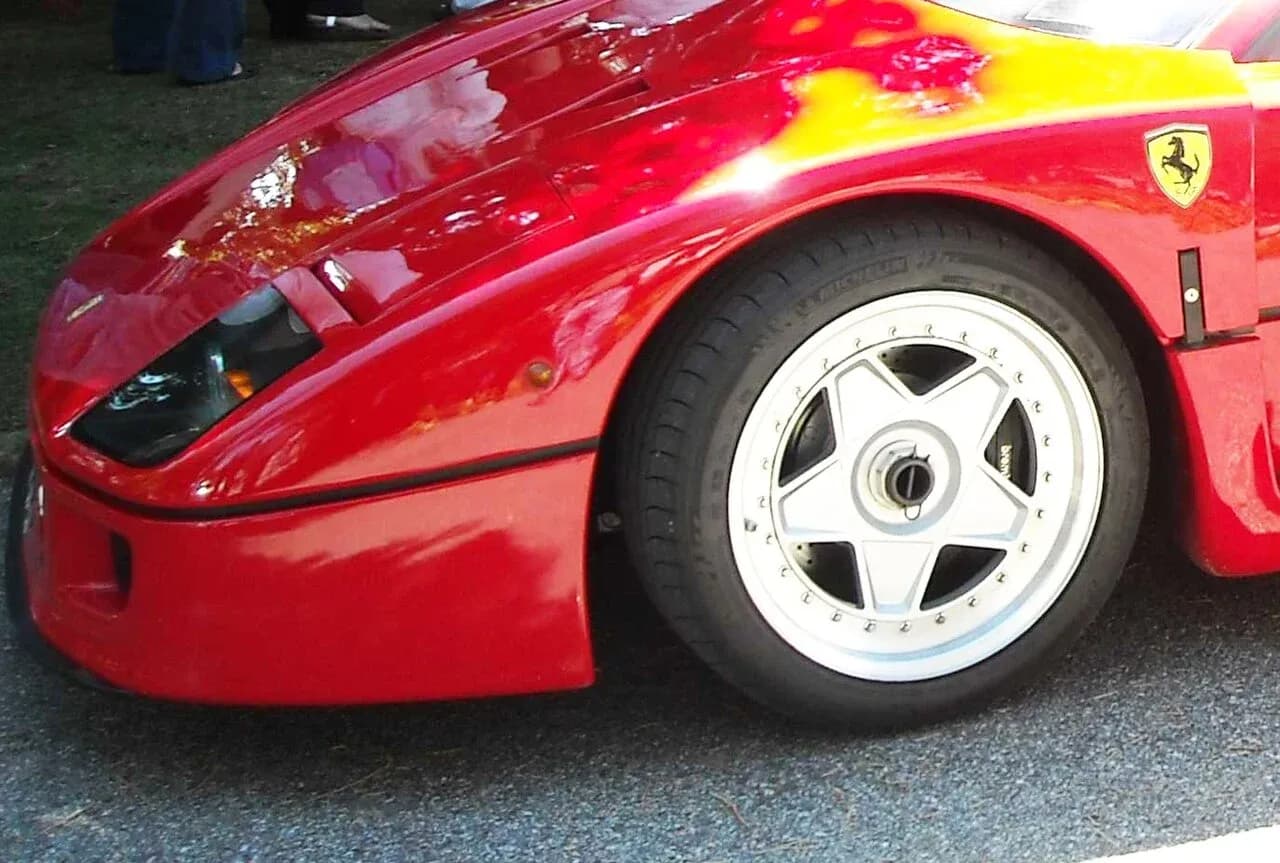
Born in just 13 months from Pininfarina’s pen and Nicola Materazzi’s engineering, the F40 is Enzo Ferrari’s mechanical testament to the 40th anniversary of the Maranello marque.

The Ferrari Classiche “Red Book” is now a market requirement for any F40 valued above one million euros. Here is how it is obtained and why it is indispensable.

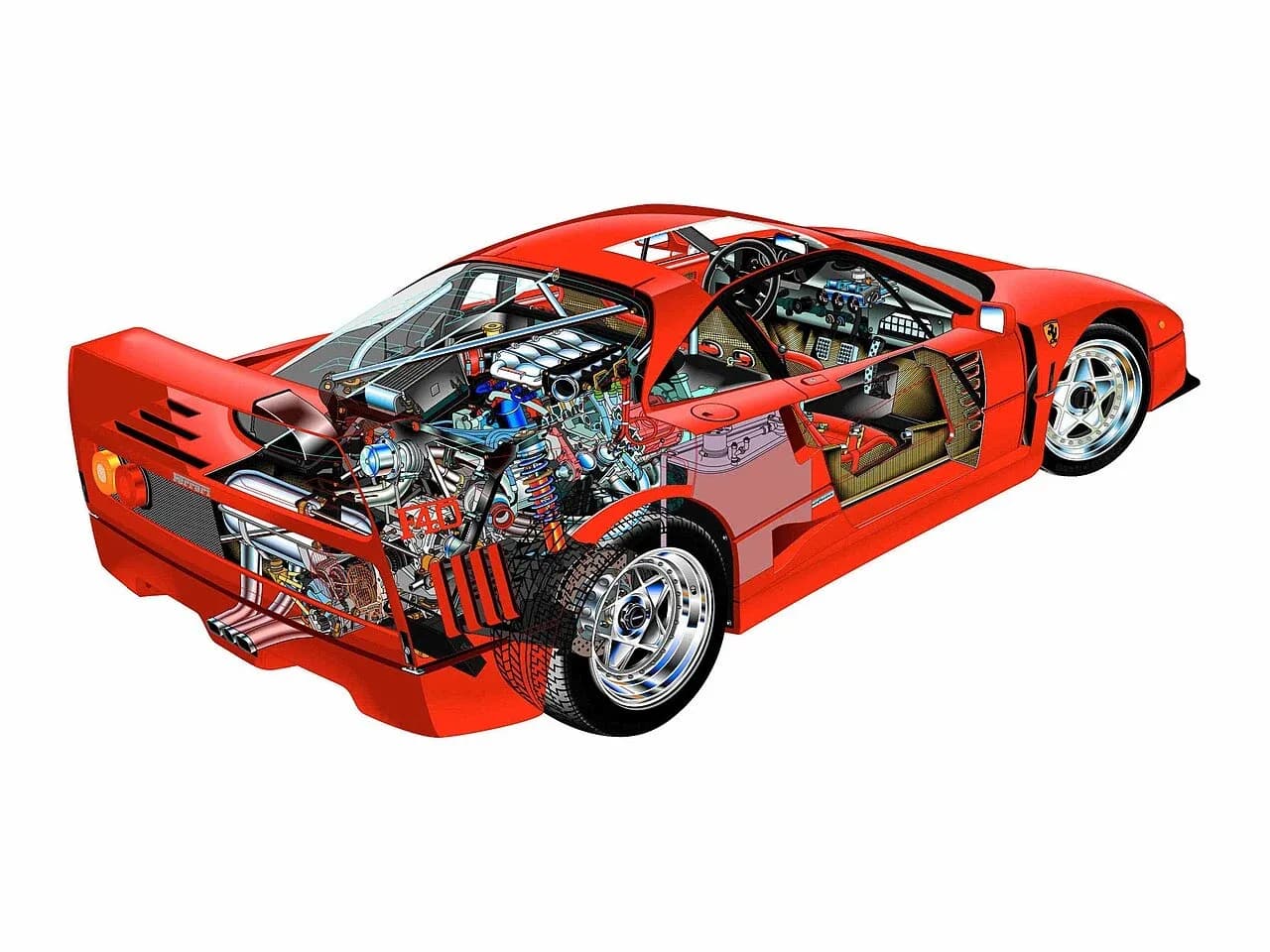
For the first time on a road car, Ferrari adopted a composite body made of carbon fibre, Kevlar, and aluminium bonded to a steel tubular frame. Dry weight: 1,100 kg.

The 2,936 cc F120A engine produces 478 hp thanks to two IHI RHB5 turbochargers and a sophisticated Weber-Marelli IAW system. An engineering masterpiece born from the experience of the Lancia LC2.