
/
© 2026 created by Identitors & Creative business
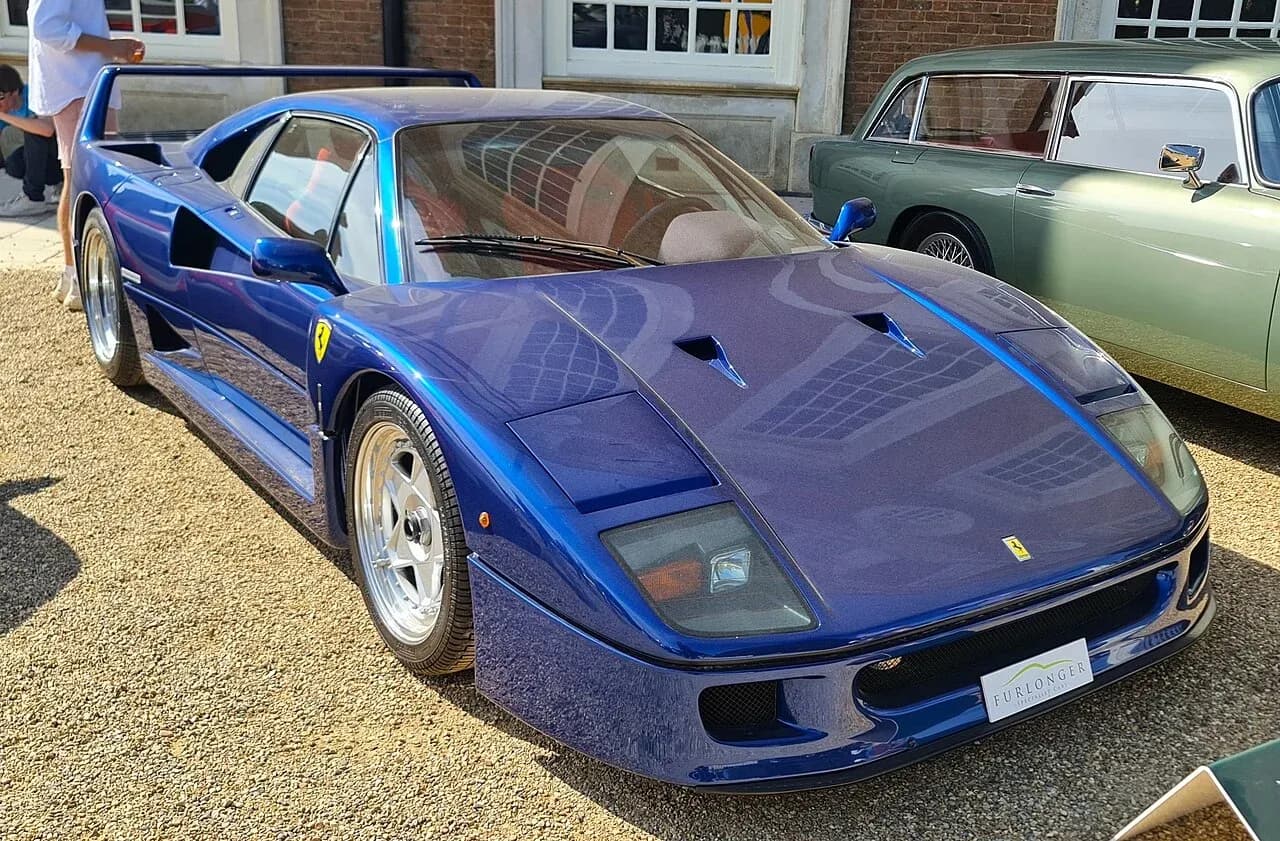
Rubber fuel tanks, clutch, electrical system, and turbocharging system are the four critical areas every F40 owner must monitor. A technical guide.
Maintaining a Ferrari F40 in perfect condition requires specific technical knowledge that goes far beyond the normal maintenance of a modern Ferrari. Specialist workshops — including Bonini of Modena, Carrozzeria Zanasi, and, abroad, DK Engineering in the United Kingdom or Tom Hartley Jnr Engineering — have over the years defined standardised intervention protocols to address the car’s typical critical issues.
The first critical point is the rubber fuel tanks. The F40 is fitted with two lateral Pirelli rubber fuel tanks, derived directly from racing-car technology. These tanks have a declared service life of around 10 years, after which the material tends to crack internally, with the risk of seepage and fuel-filter blockage. Replacement requires the complete disassembly of the rear section of the car and is now available both through original Ferrari parts, with five-figure costs, and through certified Pirelli reconstructions.
The lightweight, racing-derived dry twin-plate clutch has a variable lifespan of between 15,000 and 30,000 km depending on use. The flywheel and discs are normally rebuilt during the same operation, with a complete set requiring removal of the engine. The particularly heavy pedal is a good indicator of wear condition.
The electrical system, based on first-generation Weber-Marelli IAW control units, suffers from contact oxidation issues, especially in cars that are rarely used. An annual check of the grounding points and engine control unit is recommended, with possible remapping verification through SD2 diagnostics or equivalent systems.
The turbocharging system is the most delicate area. The IHI RHB5 turbochargers, wastegates, and Behr intercoolers require a complete overhaul approximately every 40,000 km, including checks of turbo-shaft axial and radial play, replacement of metal gaskets, and verification of boost pressure on a test bench. Abnormal pressure is the first sign of a turbocharger beginning to deteriorate.
In terms of bodywork, the original Ferrari Rosso Corsa F40 paintwork, code 300/14, is a specific formulation with a white base and three coats of red applied manually. Any repair that is not carried out to the highest standard is immediately visible in direct light. For this reason, the Ferrari Classiche programme recommends that work be carried out only by certified body shops, with photographic documentation and traceability of the materials used.